
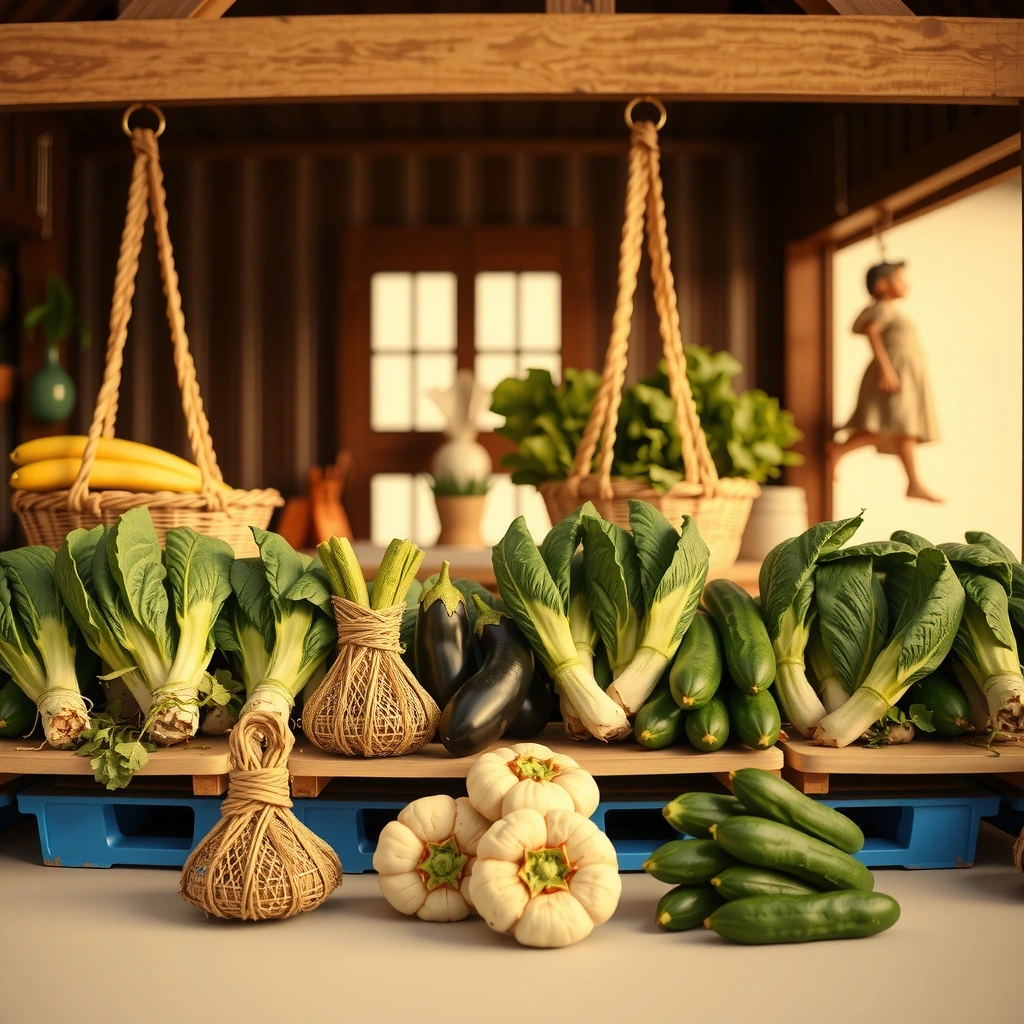
Indonesian Vegetables Guide
Discover the rich diversity of Indonesia's local vegetables, their nutritional treasures, and traditional preparation methods that have nurtured generations
Popular Indonesian Vegetables
Indonesia's tropical climate nurtures an extraordinary variety of vegetables that form the foundation of our cuisine. These nutrient-dense greens and colorful produce offer unique flavors, impressive health benefits, and have been cultivated using traditional methods for centuries.
Nutrient Dense
Rich in vitamins, minerals, and antioxidants essential for optimal health
Affordable & Local
Available year-round in local markets at accessible prices
Cultural Heritage
Deep-rooted in Indonesian traditions and family cooking practices
Versatile Usage
Suitable for stir-frying, steaming, soups, and traditional dishes
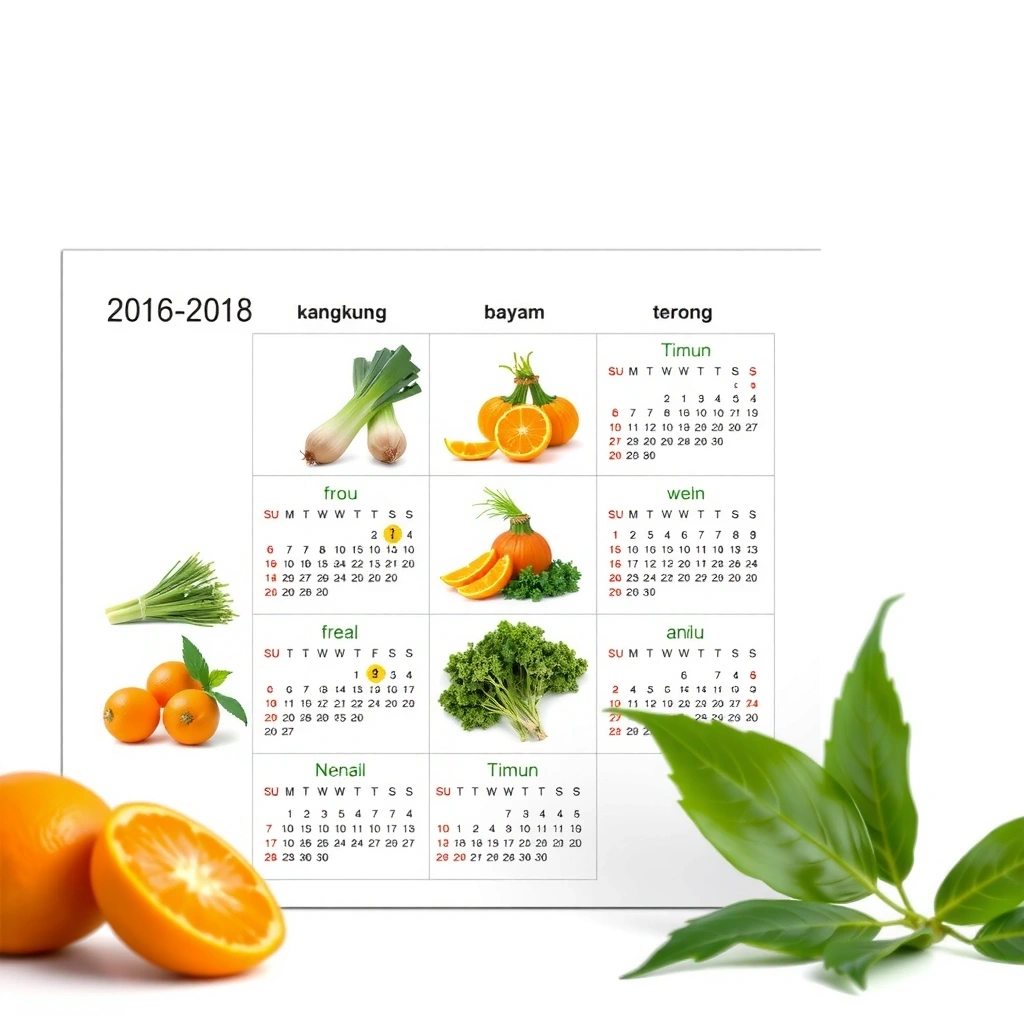
Seasonal Availability Guide
Understanding when vegetables are at their peak ensures optimal nutrition, flavor, and value. Indonesian vegetables generally have extended growing seasons due to the tropical climate, but certain varieties flourish during specific months.
- Wet Season (November-March): Peak abundance for most varieties
- Dry Season (April-October): Extended harvest periods
- Year-Round: Many vegetables available consistently
Cultural Significance in Indonesian Cuisine
Traditional Balance
Vegetables represent the balance principle in Indonesian cuisine, complementing proteins and creating harmonious meals that nourish both body and spirit.
Sustainability
Local vegetable cultivation supports sustainable farming practices and reduces environmental impact while maintaining biodiversity.
Recipe Heritage
Each vegetable carries generations of culinary knowledge, with preparation techniques passed down through families and regional traditions.
Featured Vegetables Profiles
Explore detailed profiles of Indonesia's most beloved vegetables, including their nutritional benefits, varieties, and culinary applications that make them indispensable to our cuisine.
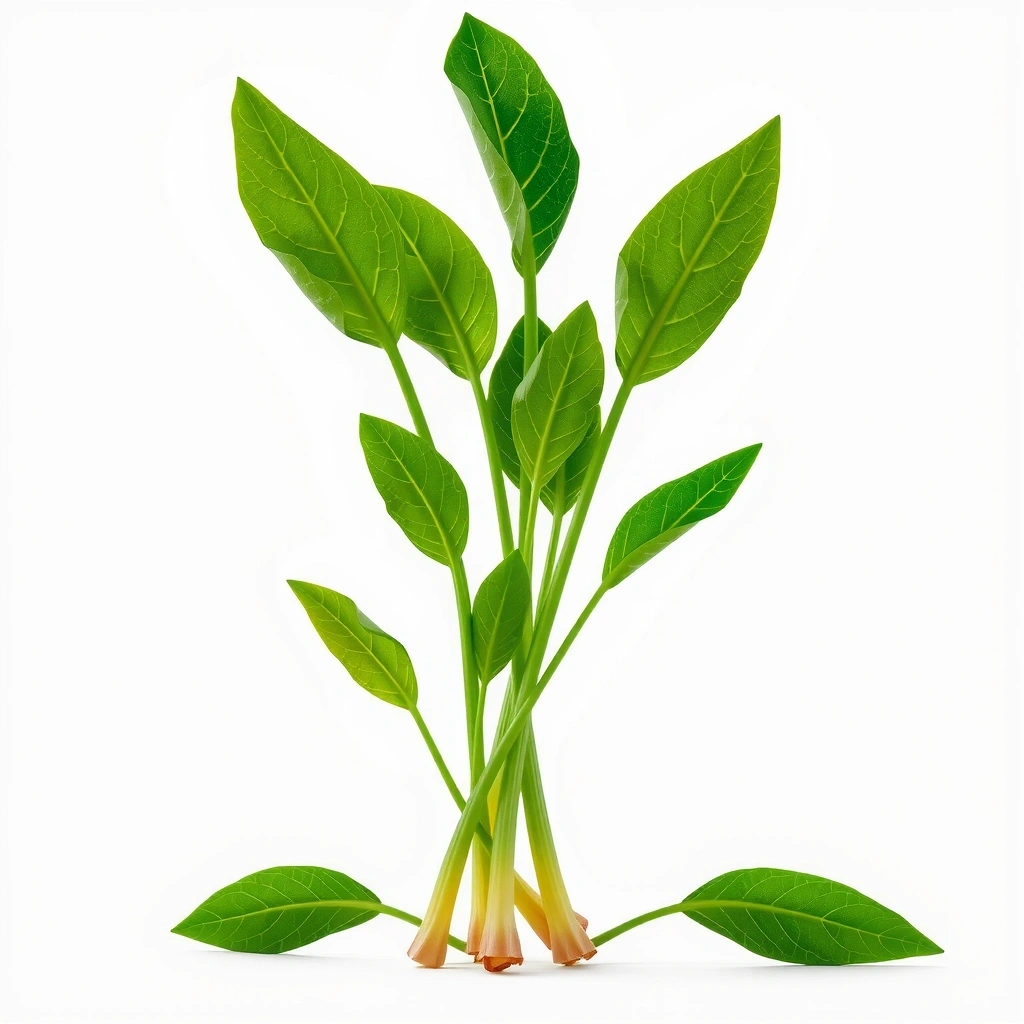
Kangkung
Water Spinach (Ipomoea aquatica)
Known as water spinach, kangkung is a versatile leafy green that thrives in wetlands. Its crisp texture and mild, slightly sweet flavor make it perfect for stir-frying.
Key Nutrients:
- Vitamin A:High
- Vitamin C:Excellent
- Iron:Good
- Folate:High
Health Benefits:
- Supports eye health
- Boosts immune system
- Aids in blood formation
- Promotes healthy skin
Cooking Uses:
Perfect for stir-fries, soups, and salads. Best cooked quickly to maintain crisp texture and vibrant green color.
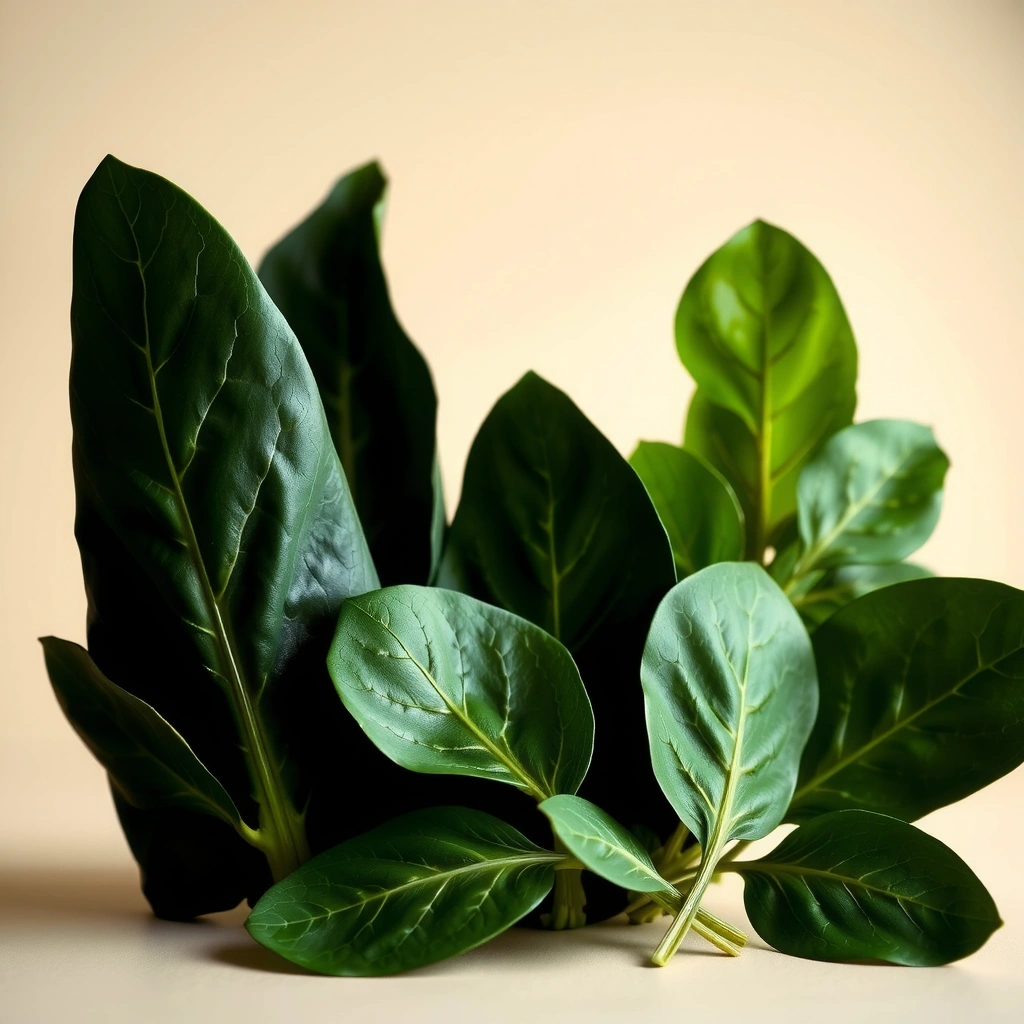
Bayam
Spinach (Amaranthus spp.)
Bayam refers to several varieties of amaranth spinach popular in Indonesia. These greens have a slightly earthy flavor and tender texture when properly prepared.
Varieties:
- Bayam Merah:Red stem variety
- Bayam Hijau:Green stem type
- Bayam Beling:Wild variety
Nutritional Highlights:
- Rich in iron and calcium
- High protein content
- Vitamin K powerhouse
- Antioxidant rich
Best Preparation:
Excellent for soups, stir-fries, and traditional dishes like say bayam. Steam or lightly sauté to preserve nutrients and texture.
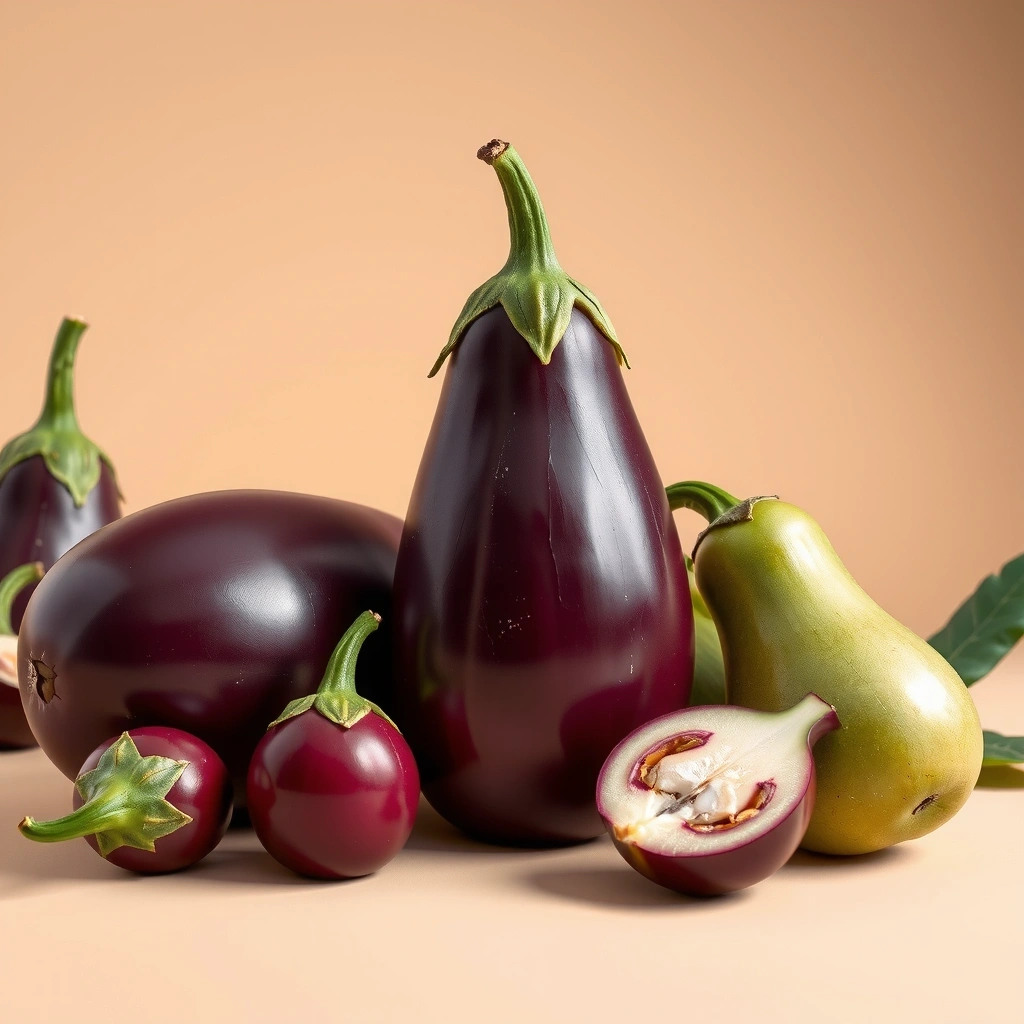
Terong
Eggplant (Solanum melongena)
Indonesian eggplant varieties include small purple terong and larger green types. These vegetables have a spongy texture that absorbs flavors beautifully.
Popular Types:
- Terong Ungu:Small purple
- Terong Hijau:Large green
- Terong Bulat:Round varieties
Health Properties:
- Low calorie density
- Fiber rich
- Antioxidant nasunin
- Brain-protective
Cooking Methods:
Grill, roast, or stir-fry. Removes bitterness by salting before cooking. Essential in many Indonesian curries and sambals.
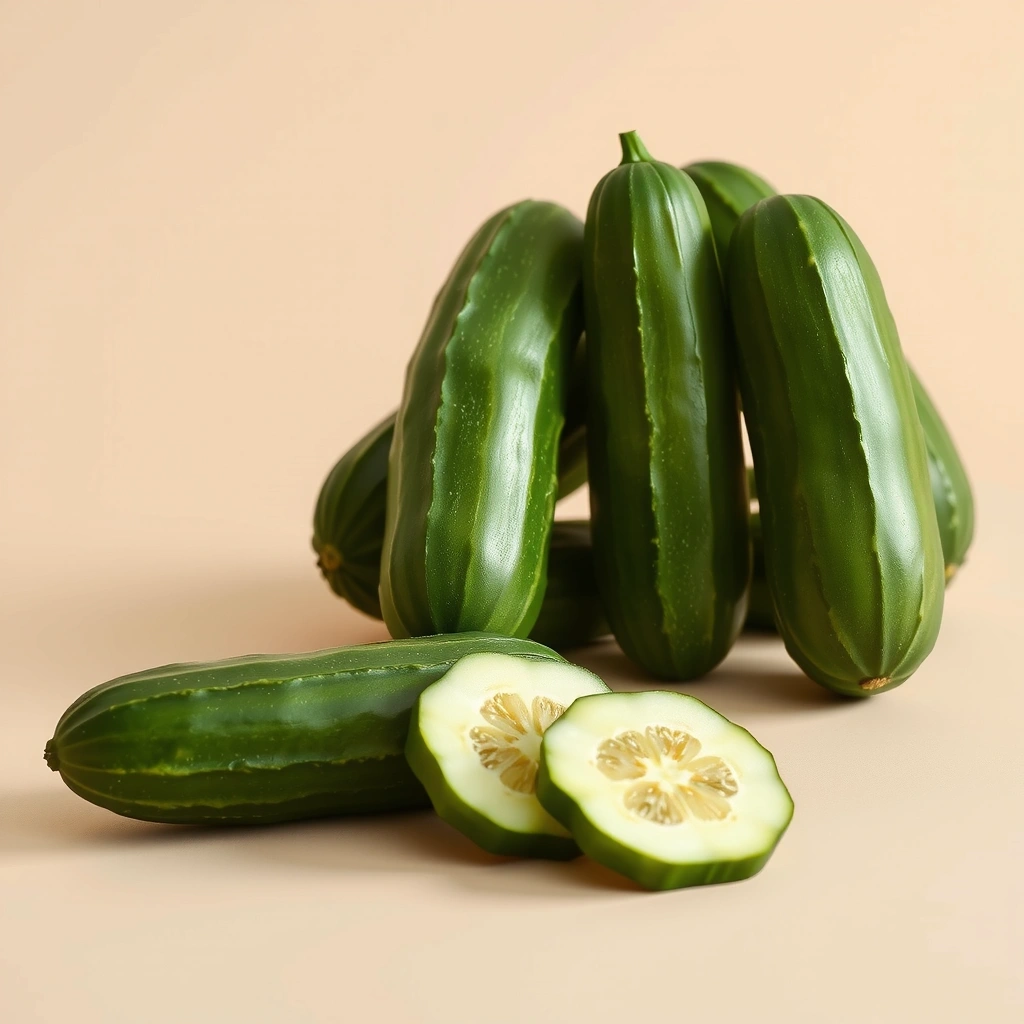
Timun
Cucumber (Cucumis sativus)
Timun is a staple in Indonesian cuisine, offering crisp texture and refreshing taste. These cucumbers are typically thinner and more flavorful than Western varieties.
Varieties Available:
- Timun Suri:Long thin type
- Timun Hijau:Small green
- Timun Mentimun:Regular size
Health Benefits:
- Hydration support
- Cooling properties
- Natural detox
- Skin health
Culinary Uses:
Perfect raw in salads, rujak, or gado-gado. Can be pickled or cooked in soups. Often used for natural cooling.
Nutritional Comparison Chart
Understanding the nutritional density of Indonesian vegetables helps you make informed dietary choices for optimal health.
Cooking Methods & Tips
Master traditional Indonesian cooking techniques and modern healthy preparations to bring out the best flavors and nutrients in your favorite vegetables.
Traditional Stir-Frying (Menumis)
The most common method for cooking Indonesian vegetables, stir-frying preserves nutrients and creates aromatic, flavorful dishes. High heat and quick cooking maintain the vibrant colors and crisp textures.
Key Steps:
- 1. Heat oil in wok until smoking
- 2. Add aromatics (garlic, shallots)
- 3. Add harder vegetables first
- 4. Toss vegetables quickly
- 5. Season and serve immediately
Pro Tips:
- • Don't overcrowd the wok
- • Keep ingredients moving
- • Cook vegetables al dente
- • Use high heat throughout
Steaming for Maximum Nutrition (Kukus)
Steaming is ideal for delicate vegetables like bayam and helps retain water-soluble vitamins. This gentle cooking method preserves natural flavors and creates tender, nutritious results.
Equipment Needed:
- • Steam basket or steamer insert
- • Lid that fits tightly
- • Water for steaming
- • Heat-resistant plate
Timing Guide:
- • Kangkung: 3-4 minutes
- • Bayam: 2-3 minutes
- • Timun: 1-2 minutes
- • Terong: 5-6 minutes
Blanching and Shock-Cooling
This technique preserves bright colors and crisp textures, perfect for vegetables used in cold dishes or salads. Quick blanching and immediate cooling prevents overcooking.
Process Steps:
- 1. Boil water with salt
- 2. Add vegetables for 30-60 seconds
- 3. Remove with slotted spoon
- 4. Transfer to ice water bath
- 5. Drain and use immediately
Benefits:
- • Locks in vibrant colors
- • Preserves crisp texture
- • Maintains nutrients
- • Perfect for salads
Soups and Broths (Sup)
Indonesian soups provide a gentle way to cook vegetables while creating nourishing broths. The slow cooking process develops complex flavors and extracts maximum nutrition.
Base Preparation:
- • Start with quality stock
- • Add aromatics and spices
- • Bring to gentle simmer
- • Add vegetables in stages
Vegetables Order:
- 1. Terong (hardest) - 15 minutes
- 2. Kangkung - 5 minutes
- 3. Bayam (last) - 2 minutes
Raw Preparations (Lalap)
Raw vegetables served as lalap provide maximum enzyme activity and vitamin content. Fresh timun and young bayam are particularly delicious when eaten raw with sambal.
Best for Raw:
- • Timun (all varieties)
- • Young bayam leaves
- • Small terong (tender)
- • Fresh kangkung tips
Preparation:
- • Wash thoroughly
- • Slice appropriately
- • Serve with sambal
- • Keep chilled until serving
Essential Cooking Tips for Indonesian Vegetables
Salt Strategy
Salt eggplant before cooking to remove bitterness and prevent oil absorption. Let sit 15-30 minutes, then rinse and pat dry.
Flavor Balance
Indonesian vegetables pair well with shallots, garlic, galangal, and lemongrass. Use belacan (shrimp paste) sparingly for authentic flavor.
Heat Control
Maintain high heat for stir-frying to achieve proper char and smokiness. Lower heat for steaming to preserve delicate textures.
Timing Matters
Add vegetables to dishes in order of cooking time needed. Delicate greens go in last to prevent overcooking and maintain color.
Water Quality
Use filtered or boiled water for steaming vegetables. Chlorinated water can affect flavors and create unwanted odors during cooking.
Fresh is Best
Choose vegetables with bright colors, firm texture, and no signs of wilting. Fresh vegetables cook better and taste superior.
Seasonal Availability
Understanding when Indonesian vegetables are at their peak ensures optimal nutrition, flavor, and value. Plan your meals around seasonal abundance for the best results.
| Vegetable | Peak Season | Jan | Feb | Mar | Apr | May | Jun | Jul | Aug | Sep | Oct | Nov | Dec |
|---|---|---|---|---|---|---|---|---|---|---|---|---|---|
| Kangkung | Year-round | ||||||||||||
| Bayam | Year-round | ||||||||||||
| Terong | Mar-Oct | ||||||||||||
| Timun | Year-round |
Peak Season
Vegetables are most abundant, flavorful, and affordable. Quality is at its highest, making this the perfect time to try new recipes.
Good Season
Available but may be slightly less abundant. Quality remains good, and prices are reasonable for year-round enjoyment.
Limited Season
Less commonly available or higher priced. Consider frozen alternatives or focus on vegetables that are in peak season.
Market Tips for Best Selection
What to Look For:
- Vibrant color: Deep greens and rich colors indicate freshness
- Firm texture: Should feel sturdy when gently squeezed
- Fresh cuts: Stems should be cleanly cut, not wilted
Best Shopping Times:
- Early morning: Freshest selection from overnight delivery
- Late afternoon: Vendors may discount remaining stock
- Avoid weekends: Market may be less crowded but also less fresh
Simple Recipe Suggestions
Perfect starting points for beginners to explore Indonesian vegetable cooking with authentic flavors and easy-to-follow techniques.
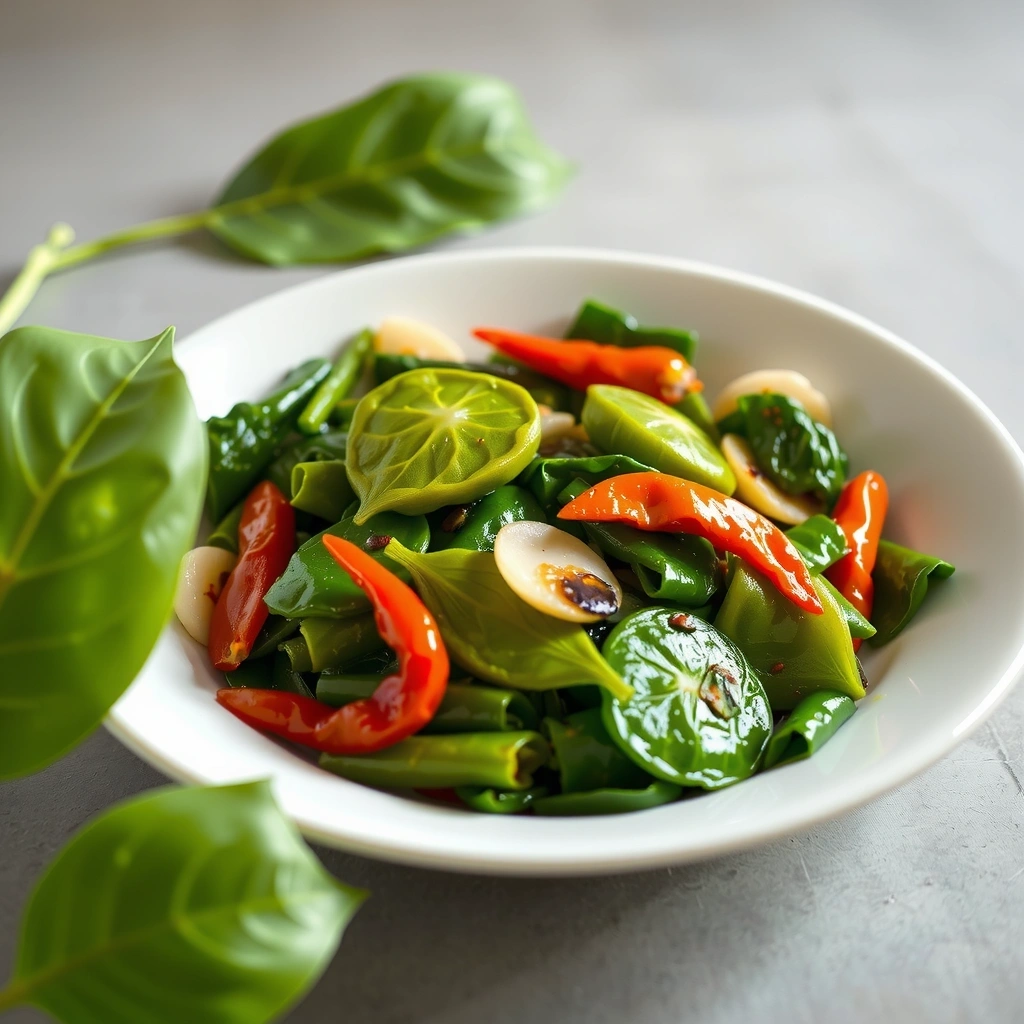
Tumis Kangkung
Classic Indonesian stir-fried water spinach with aromatic spices
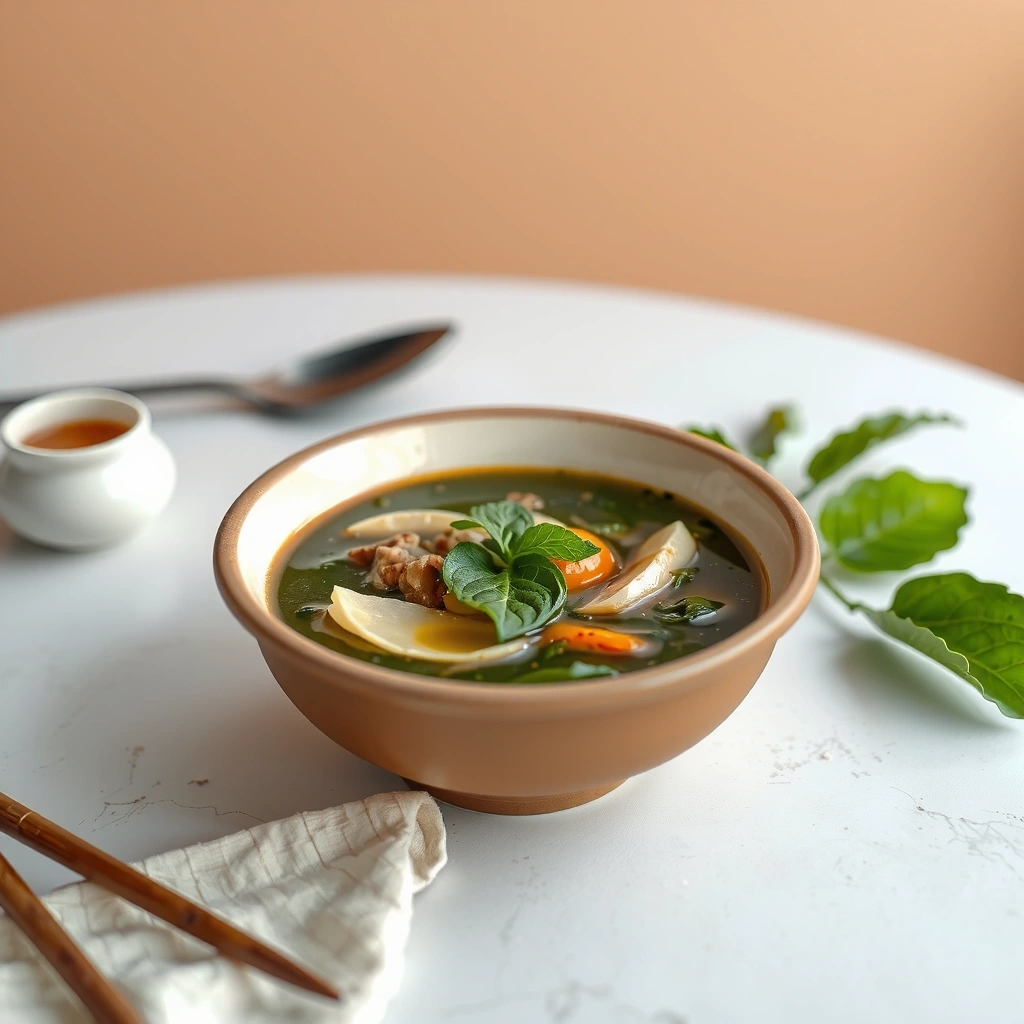
Sup Bayam
Light and nutritious spinach soup perfect for any meal
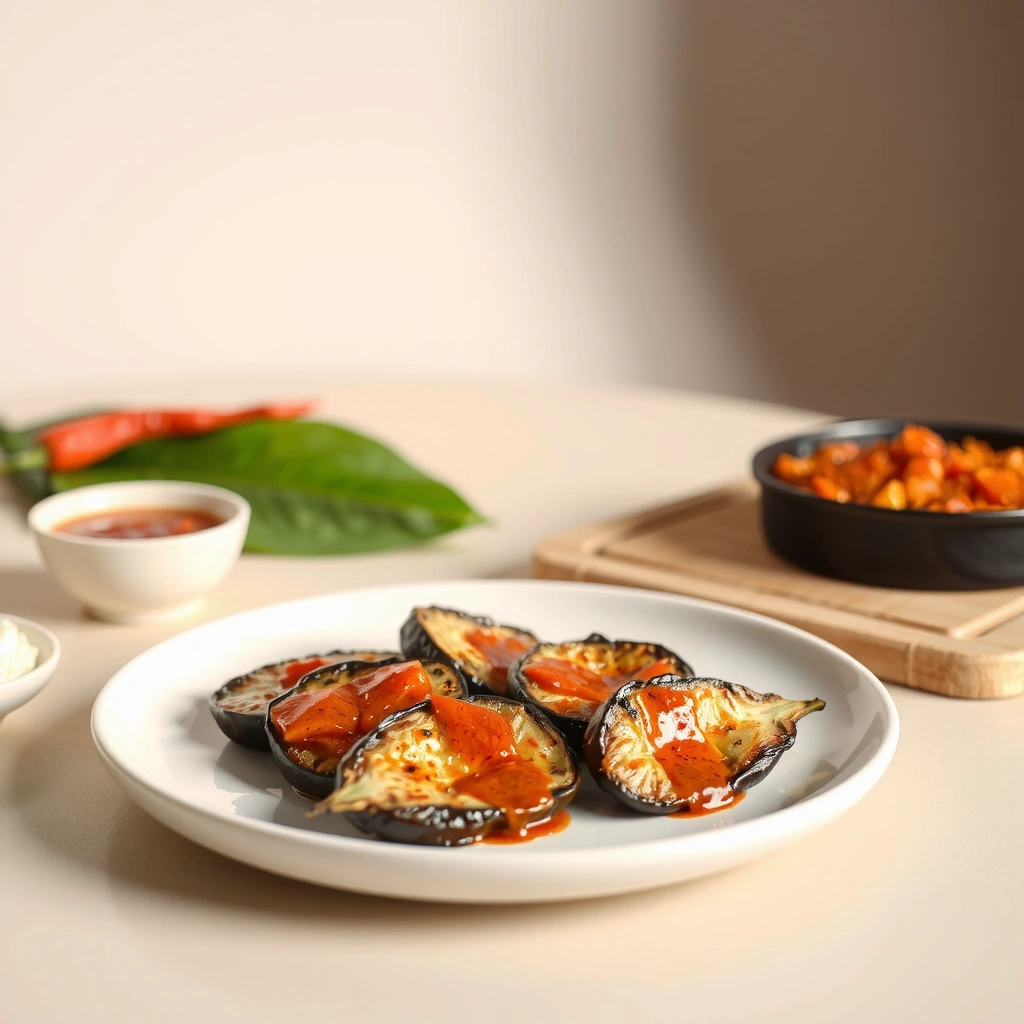
Terong Balado
Spicy eggplant in traditional Indonesian chili sauce
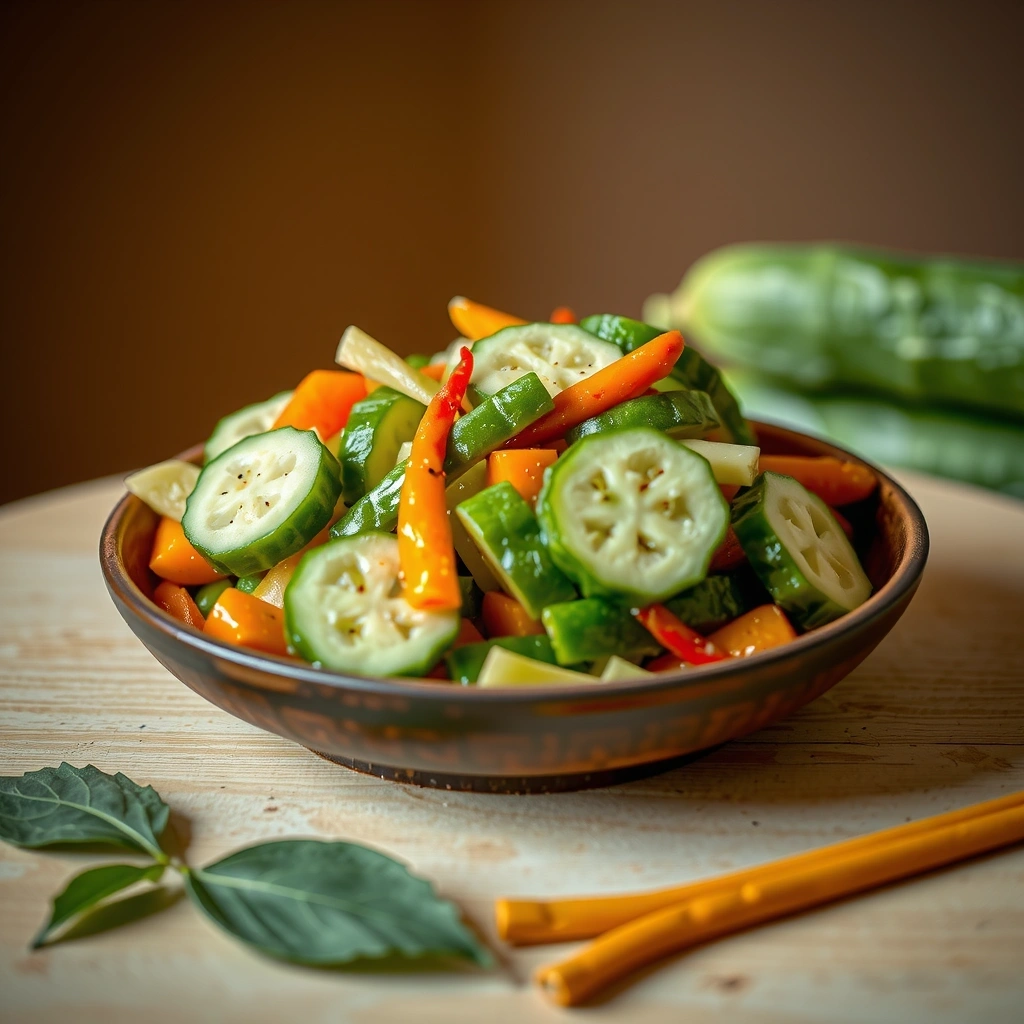
Timun Acar
Refreshing pickled cucumber salad with Indonesian spices
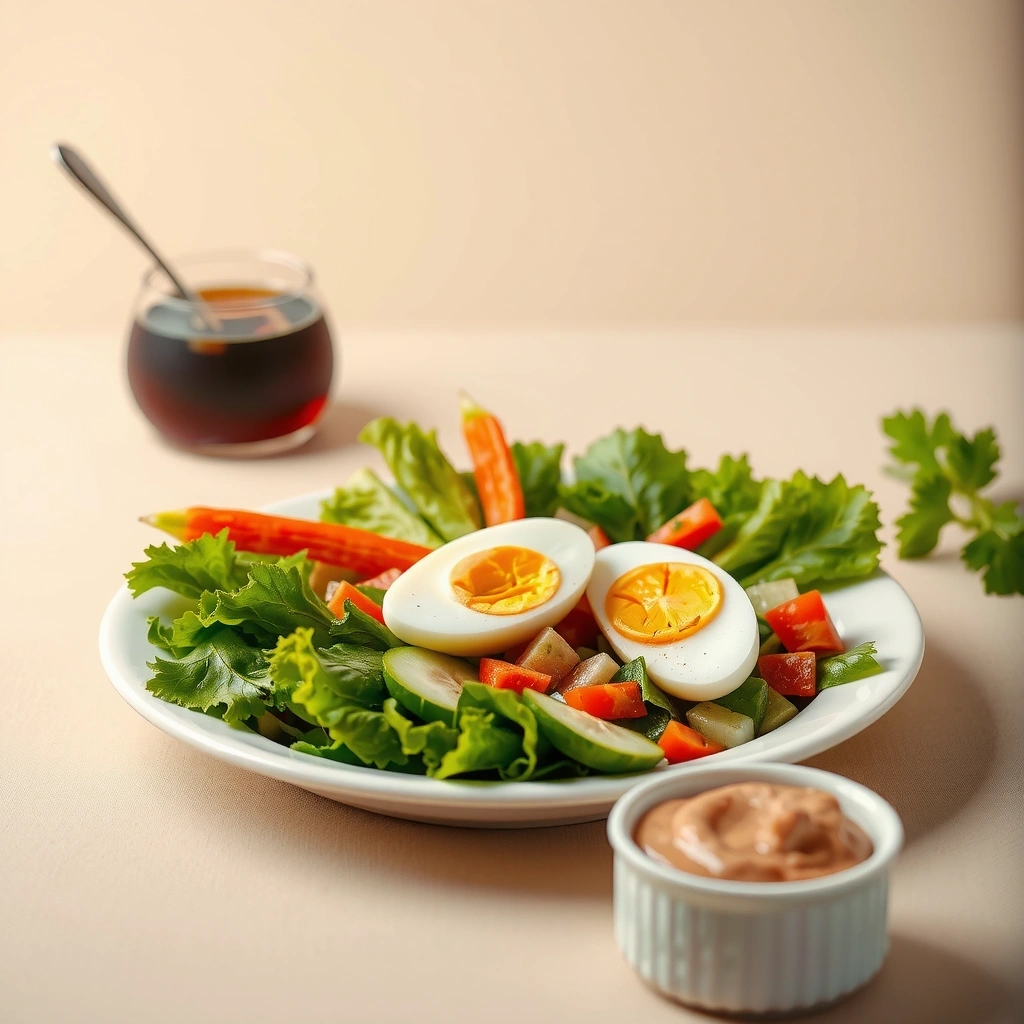
Gado-Gado
Mixed vegetable salad with rich peanut sauce dressing
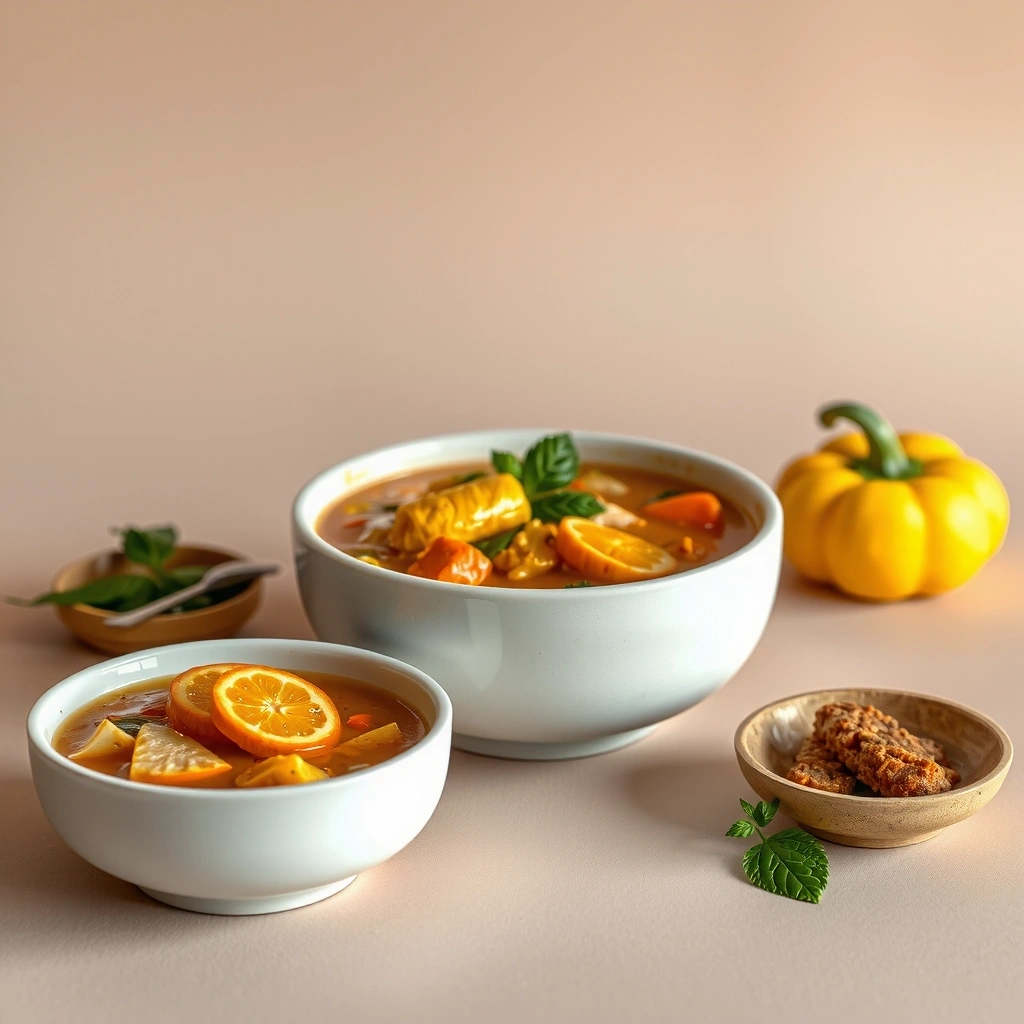
Sayur Lodeh
Coconut milk vegetable curry with traditional spices
Ready to Start Cooking?
Explore our complete collection of Indonesian vegetable recipes with step-by-step instructions and cooking videos.