
Indonesian Tropical Fruits Guide
Discover the incredible diversity of Indonesia's tropical fruit bounty, where ancient traditions meet modern nutritional science in one of the world's most biodiverse archipelagos.
A Paradise of Flavors and Nutrition
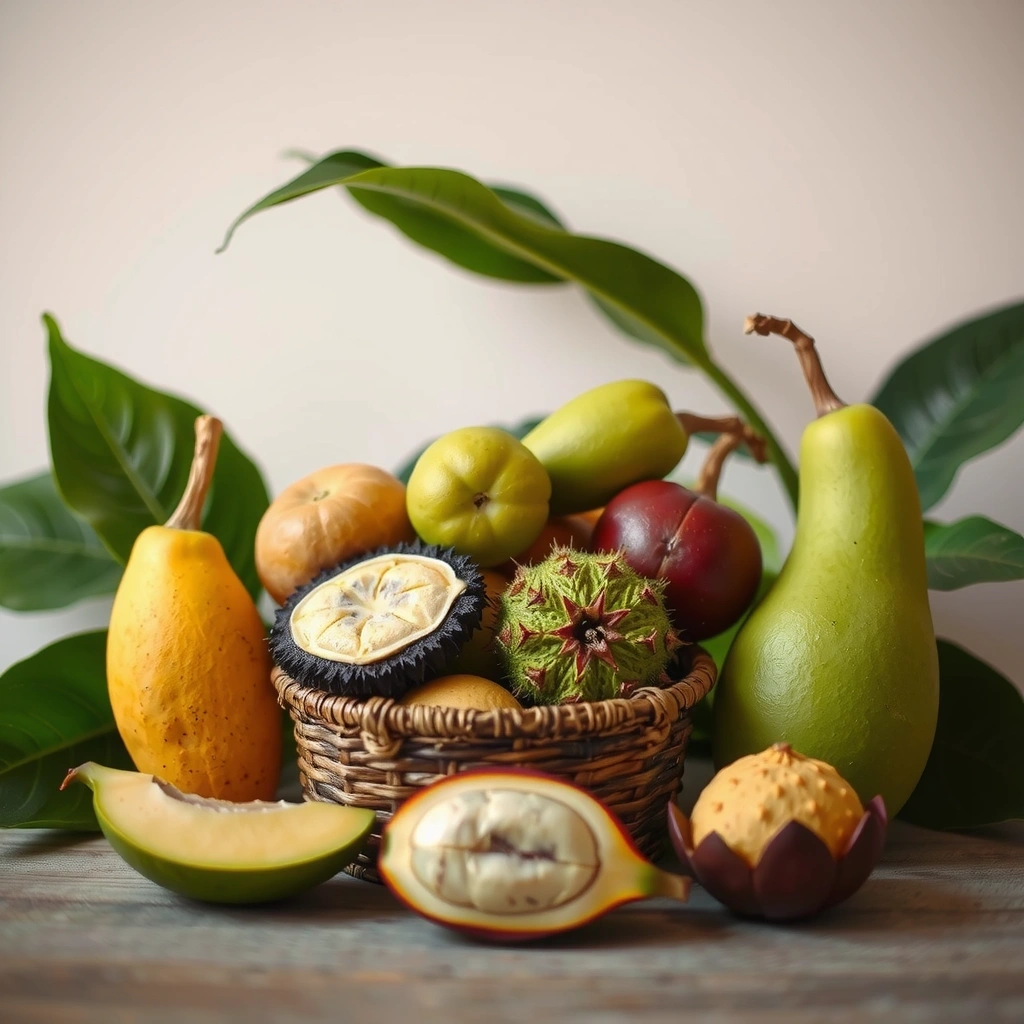
Indonesia, spanning over 17,000 islands, boasts one of the world's richest collections of tropical fruits. From the mountainous regions of Java to the volcanic soils of Sumatra, and the pristine rainforests of Kalimantan, each island contributes its unique varieties to this spectacular fruit symphony.
These tropical treasures have sustained Indonesian communities for millennia, providing not just sustenance but also medicinal benefits deeply rooted in traditional healing practices. Modern nutritional science continues to validate what Indonesian grandmothers have known for generations: these fruits are powerhouse sources of essential vitamins, minerals, and antioxidants.
Cultural Heritage
In Indonesian culture, fruits represent prosperity, abundance, and connection to the earth. Many traditional ceremonies and celebrations feature specific fruits as symbols of good fortune and harvest blessings.
Tropical Fruit Benefits for Modern Health
Cardiovascular Health
Rich in potassium, fiber, and heart-healthy compounds that support circulation and reduce hypertension risks.
Antioxidant Power
Abundant in vitamins C and E, polyphenols, and unique compounds that combat oxidative stress and inflammation.
Natural Energy
Natural sugars, complex carbohydrates, and B-vitamins provide sustained energy without crashes or spikes.
Popular Indonesian Fruits
Explore Indonesia's most beloved and widely consumed fruits, each with unique characteristics, flavors, and nutritional profiles that have made them favorites both locally and internationally.
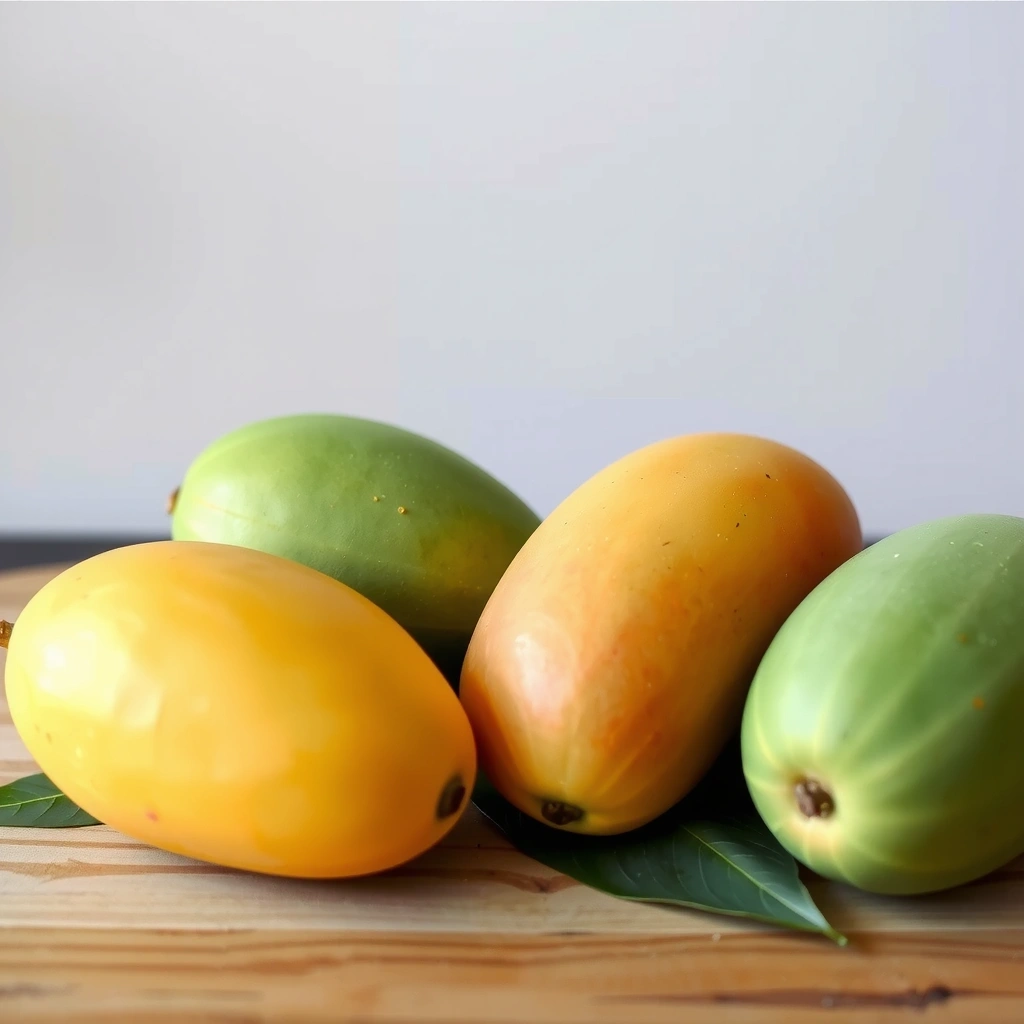
Indonesian Mangoes
Popular Varieties:
- • Gedong Ginciu - Sweet with firm texture
- • Arumanis - Large and aromatic
- • Manalagi - Small and very sweet
Nutrition Highlights:
- • Vitamin A (beta-carotene)
- • Folate and Vitamin K
- • Digestive enzymes
Season: Peak harvest October-March. Best consumed ripe with slight give when pressed.

Indonesian Apples
Local vs Imported:
- • Local: Smaller, tarter, more fibrous
- • Imported: Larger, sweeter, crisper
- • Local varieties: Manila, Mawar
Health Benefits:
- • High in dietary fiber
- • Quercetin for immune support
- • Natural detoxification properties
Storage: Keep in cool, dry places. Local apples last 2-3 weeks, imported varieties 1-2 months.

Indonesian Bananas
Popular Types:
- • Raja - Sweet and aromatic
- • Cavendish - Classic yellow bananas
- • Kepok - Perfect for cooking
Nutritional Powerhouse:
- • High in potassium and magnesium
- • Natural mood stabilizers
- • Prebiotic fiber for gut health
Tip: Store at room temperature. Refrigerate only when ripe to prevent overripening.

Variety Comparison:
- • Local: Smaller, more tart flavor
- • Imported: Larger, sweeter, seedless
- • Local varieties: Red and green grapes
Antioxidant Rich:
- • Resveratrol for heart health
- • Vitamin C and K
- • Natural anti-inflammatory compounds
Selection: Choose firm, plump grapes with tight bunch formation. Avoid wrinkled or leaking grapes.
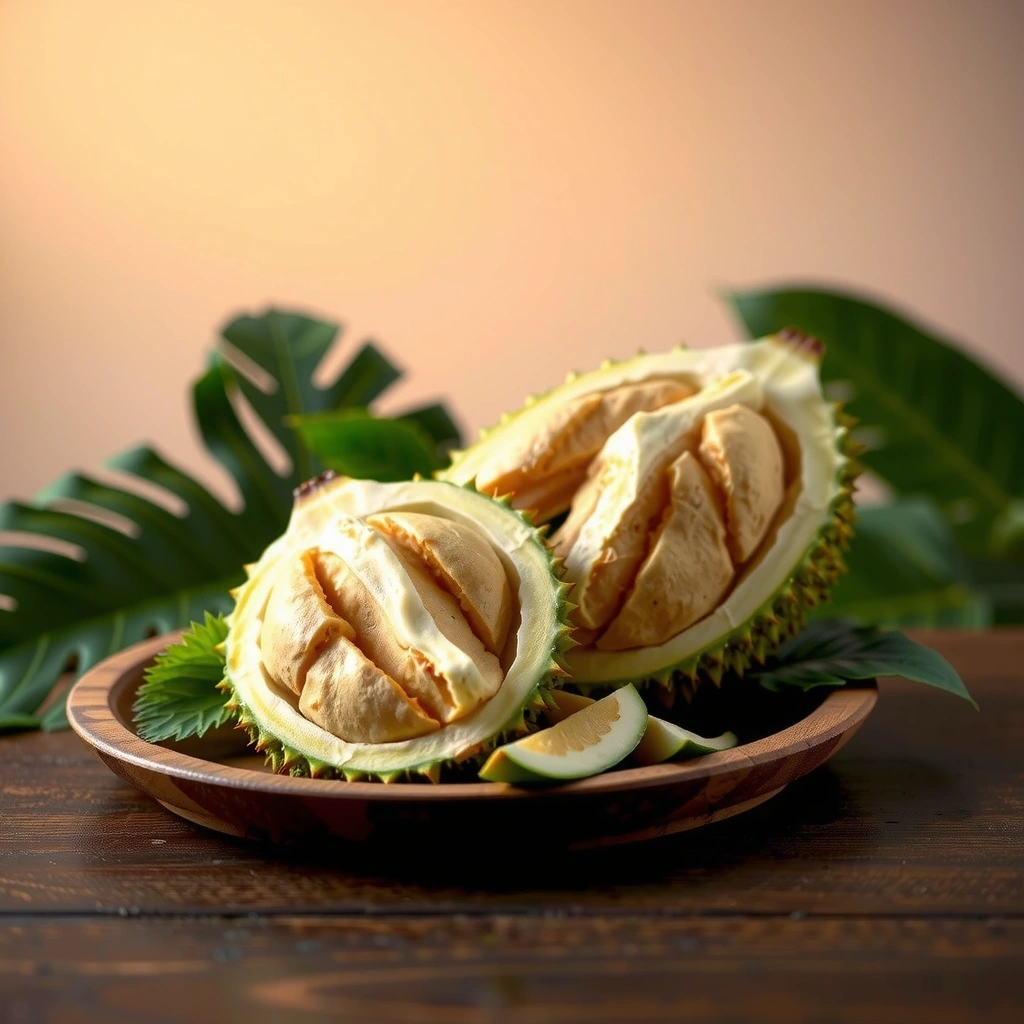
King of Fruits
Unique Characteristics:
- • Strong aroma (acquired taste)
- • Creamy, custard-like texture
- • Rich, complex flavor profile
Nutritional Benefits:
- • High in healthy fats and proteins
- • B-vitamins for energy metabolism
- • Minerals like iron and zinc
Consumption: Eat fresh when ripe. Refrigerate leftovers immediately. Avoid strong-smelling spaces.
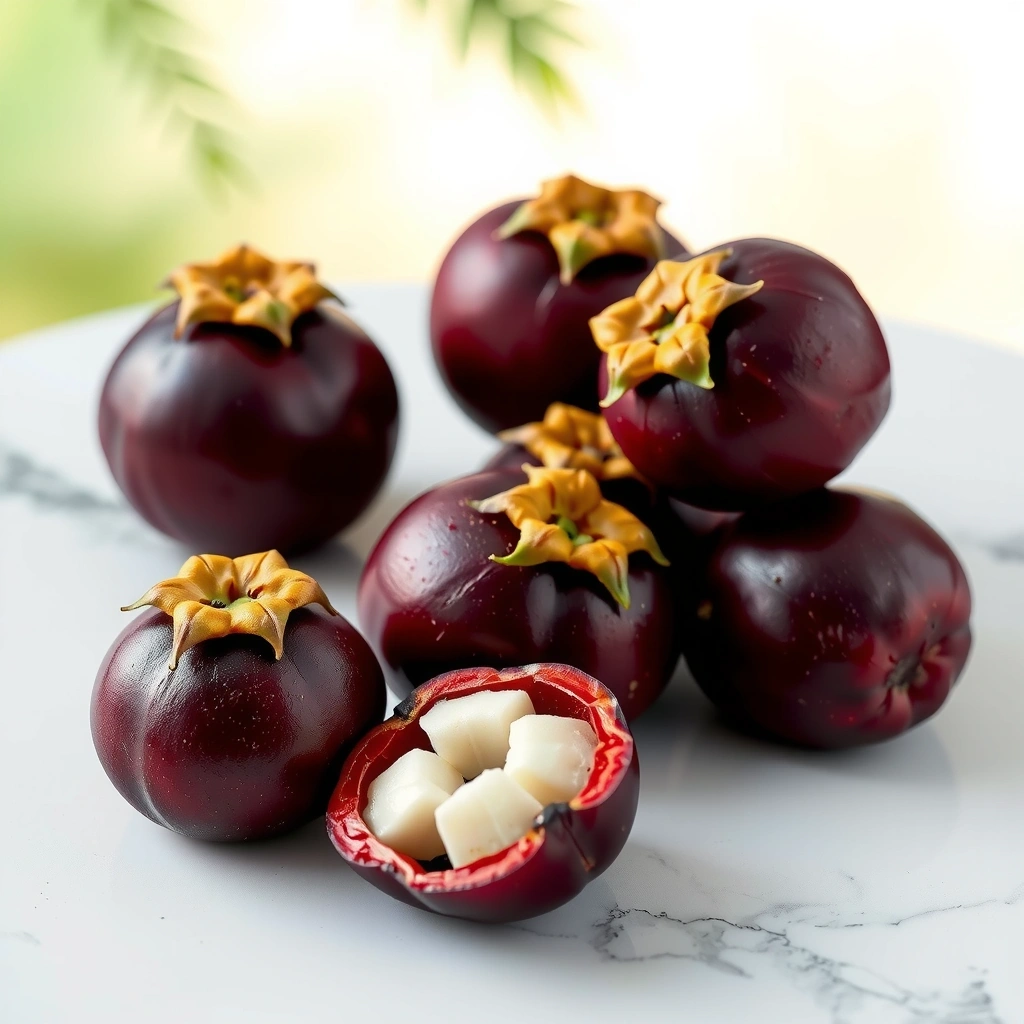
Queen of Fruits
Distinctive Features:
- • Purple outer shell, white segments
- • Sweet-tart flavor with floral notes
- • Anti-inflammatory properties
Health Powerhouse:
- • Xanthones (powerful antioxidants)
- • Vitamin C and dietary fiber
- • Traditional medicinal uses
Preparation: Cut around the equator, separate halves, and carefully remove segments from the white pith.
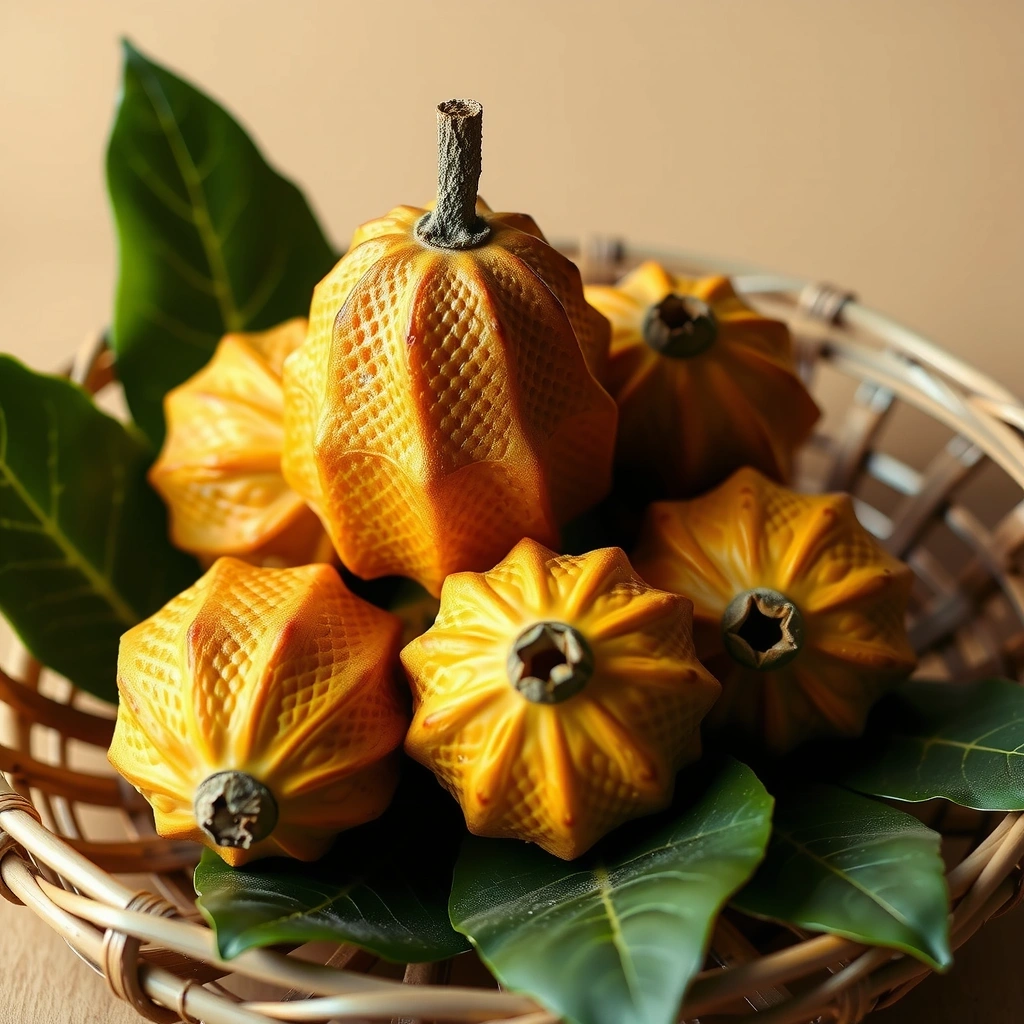
Snake Fruit
Unique Properties:
- • Scally skin resembling snake scales
- • Crunchy texture, sweet-tart taste
- • Similar to apple and pineapple combined
Traditional Benefits:
- • Natural astringent properties
- • Supports digestive health
- • Traditional remedy for dysentery
Peeling: Remove the scaly skin carefully. The fruit inside should be crisp and white.
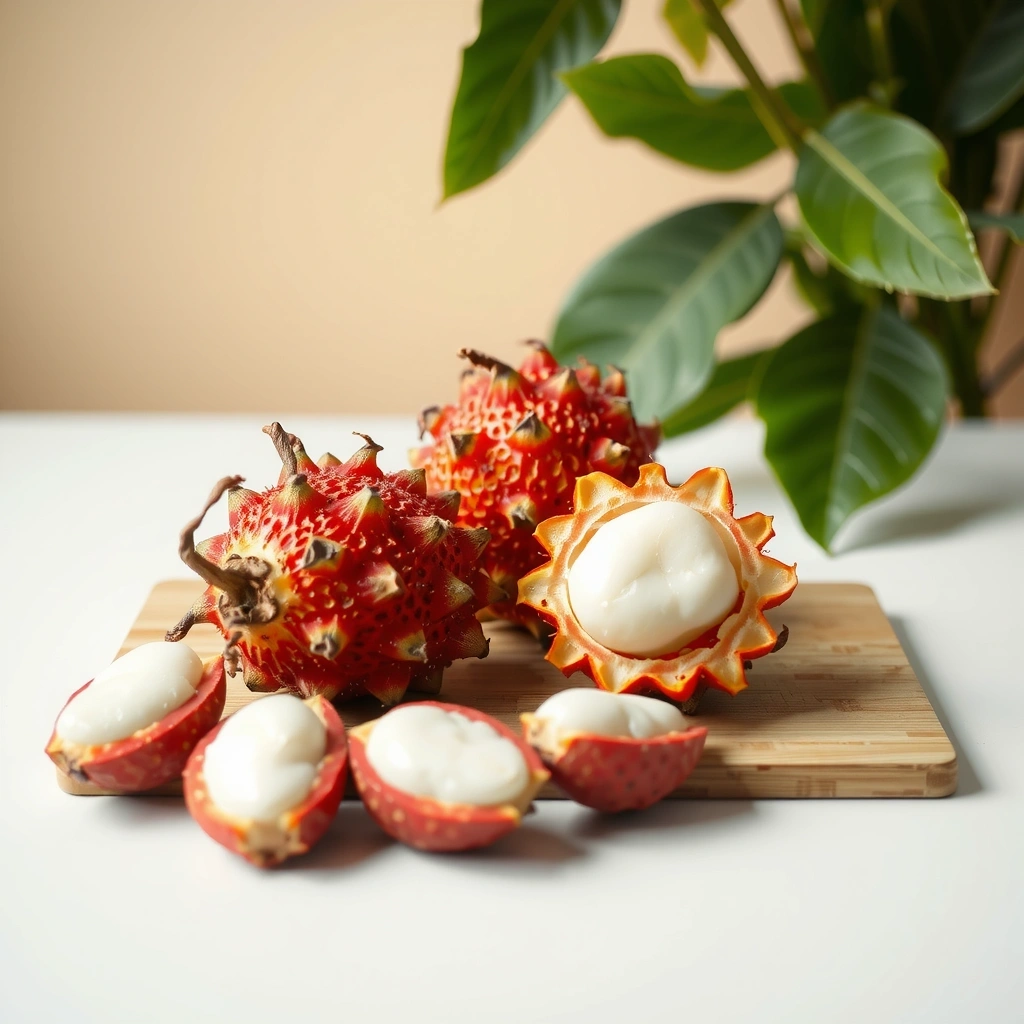
Hairy Fruit
Distinctive Appearance:
- • Red hairy exterior covering
- • Translucent white flesh inside
- • Sweet, slightly acidic flavor
Nutritional Value:
- • High in vitamin C
- • Iron and calcium content
- • Natural sugars for quick energy
Consumption: Peel the hairy skin to reveal the white fruit inside. Remove the pit before eating.
Storage & Consumption Tips
Master the art of handling Indonesian tropical fruits with expert techniques for storage, ripening, and consumption to maximize their flavor, nutritional value, and shelf life.
Proper Storage Methods
- • Room Temperature: Store unripe fruits in cool, dry areas away from direct sunlight
- • Refrigeration: Store ripe fruits at 4-8°C to extend shelf life by 3-7 days
- • Ethylene Sensitivity: Keep fruits away from ethylene-producing items like bananas and avocados
- • Humidity Control: Use paper bags or ventilated containers to maintain optimal moisture
Ripening Techniques
- • Natural Ripening: Place fruits in paper bags with bananas or apples to accelerate ripening
- • Temperature Control: Warmer temperatures (20-25°C) speed up ripening process
- • Daily Checking: Monitor fruits daily to catch optimal ripeness without over-ripening
- • Visual Cues: Look for color changes, slight softening, and aromatic fragrance
Optimal Consumption
- • Peak Ripeness: Consume fruits when they yield slightly to gentle pressure
- • Room Temperature Serving: Allow refrigerated fruits to reach room temperature before eating
- • Portion Control: Typical serving size is 1 medium fruit or 1 cup of cut fruit
- • Clean Preparation: Wash thoroughly under running water before cutting or peeling
Nutritional Combinations
- • Vitamin C Enhancement: Combine acidic fruits (orange, lime) with iron-rich fruits
- • Protein Pairing: Mix fruits with nuts or seeds for sustained energy
- • Fiber Synergy: Combine soluble and insoluble fiber sources for digestive health
- • Antioxidant Boost: Mix fruits with different color pigments for diverse phytonutrients
Seasonal Selection Guide
- • Peak Season: October to March offers the best variety and quality
- • Dry Season: Focus on durian, mangosteen, and rambutan during June-August
- • Year-Round: Bananas, papayas, and pineapples available throughout the year
- • Local Markets: Visit traditional markets during harvest season for best prices
Food Safety Guidelines
- • Thorough Washing: Clean all fruits under running water before consumption
- • Separate Storage: Keep raw fruits separate from meats and seafood
- • Timely Consumption: Consume cut fruits within 2 hours at room temperature
- •
Advanced Ripening Techniques
Rice Method (for Mangoes)
Place unripe mangoes in a container with uncooked rice for 2-3 days. The rice absorbs moisture and helps accelerate natural ripening enzymes.
Paper Bag Technique
For climacteric fruits like bananas and mangoes, place them in a paper bag with an apple or banana to trap ethylene gas and speed up ripening.
Temperature Gradual Method
Start fruits at cooler temperatures (15°C) then gradually increase to room temperature (22-25°C) for controlled, even ripening.

Local vs Imported Varieties
Understanding the differences between Indonesian local fruits and imported alternatives helps you make informed choices about nutrition, cost, environmental impact, and taste preferences.
| Fruit Type | Local Varieties | Imported Varieties | Nutritional Comparison | Cost Factor | Environmental Impact |
|---|---|---|---|---|---|
|
Mangoes
Gedong Ginciu, Arumanis, Manalagi
|
Smaller, firmer texture
More tart, complex flavors
|
Larger, softer texture
Sweeter, milder taste
|
Similar vitamin content
Local: higher fiber
|
60-70% cheaper
|
Low carbon footprint
|
|
Apples
Manila, Mawar (smaller varieties)
|
Very small, very tart
High acidity, firm texture
|
Large, crisp, sweet
Balanced sweetness
|
Local: more vitamin C
Imported: higher antioxidants
|
40-50% cheaper
|
Minimal transport
|
|
Grapes
Local red and green varieties
|
Small bunches, tart
Traditional flavor
|
Large bunches, seedless
Sweet, convenient
|
Comparable antioxidants
Local: more vitamin C
|
50-60% cheaper
|
Local production
|
|
Citrus Fruits
Jeruk Bali, Jeruk Pontianak
|
Thick skin, intense flavor
Traditional varieties
|
Thin skin, sweet
Modern cultivars
|
Local: higher vitamin C
Imported: more uniform
|
30-40% cheaper
|
Regional production
|
Benefits of Local Indonesian Fruits
Economic Advantages
Local fruits are typically 40-70% less expensive than imported alternatives, making fresh, nutritious fruits accessible to more families and supporting local farmers and economies.
Freshness & Nutrition
Shorter transportation distances mean fruits are harvested closer to peak ripeness, preserving maximum nutritional value and flavor compounds.
Environmental Responsibility
Local production reduces carbon footprint significantly, eliminates long-distance shipping emissions, and minimizes packaging waste.
Cultural Authenticity
Local varieties represent centuries of agricultural heritage and traditional farming practices adapted to Indonesia's unique climate and soil conditions.
When to Choose Imported
Off-Season Availability
Imported fruits can fill seasonal gaps when local varieties are not available, ensuring year-round access to diverse fruit options.
Specific Preferences
Some consumers prefer the consistent sweetness and predictable texture of imported varieties for specific culinary applications.
Extended Shelf Life
Imported varieties often have been bred for longer shelf life and better shipping tolerance, which can reduce waste for some consumers.
Unique Varieties
Some imported fruits offer varieties not available locally, expanding culinary possibilities and nutritional diversity.
Cost-Effectiveness Analysis
Cost Savings
Average savings when choosing local varieties over imported alternatives for the same nutritional value.
Freshness Rate
Local fruits typically reach consumers within 24-48 hours of harvest, compared to 7-14 days for imported varieties.
Nutritional Retention
Local fruits retain up to 3 times more vitamins and antioxidants due to shorter time from harvest to consumption.
Making Informed Choices
The choice between local and imported fruits ultimately depends on your priorities: budget, environmental impact, seasonal availability, and personal taste preferences. For optimal nutrition and value, consider local varieties when they're in season, and supplement with imported varieties during off-seasons or for specific culinary needs.
Seasonal Calendar & Availability
Understanding Indonesia's fruit seasons helps you plan purchases, maximize freshness, and enjoy the best prices throughout the year.
Dry Season
June - August
Peak Availability
- • Durian (June-August)
- • Mangosteen (July-August)
- • Rambutan (July-September)
Good Availability
- • Bananas (year-round)
- • Papayas (year-round)
- • Pineapples (year-round)
Rainy Season
September - November
Peak Availability
- • Mangosteens (end of season)
- • Snake fruits (Salak)
- • Langsat fruits
Starting Season
- • Mangoes (early varieties)
- • Jackfruits
- • Sapodillas
Cool Season
December - February
Peak Availability
- • Mangoes (peak season)
- • Durian (early varieties)
- • Guavas and rose apples
Good Selection
- • Citrus varieties
- • Starfruits
- • Dragon fruits
Warm Season
March - May
Peak Availability
- • Mangoes (late varieties)
- • Lansat fruits
- • Duku fruits
Transition Period
- • Preparing for dry season
- • Good variety availability
- • Optimal growing conditions
Year-Round Availability Guide
Always Available
- • Bananas (various varieties)
- • Papayas
- • Pineapples
- • Coconuts
- • Passion fruits
Peak Season (6+ months)
- • Mangoes (Oct-Mar)
- • Durian (Jun-Sep)
- • Mangosteens (Jul-Sep)
- • Rambutans (Jul-Oct)
- • Salak (Aug-Dec)
Limited Season (3-6 months)
- • Langsat (Sep-Dec)
- • Duku (Mar-Jun)
- • Jackfruit (various periods)
- • Starfruits (Jan-Apr)
- • Dragon fruits (year-round in some regions)
Traditional Uses & Cultural Significance
Indonesian fruits are deeply woven into the cultural fabric, serving as symbols of prosperity, ingredients in traditional medicine, and centerpieces of ceremonial celebrations.

Ceremonial Importance
Indonesian fruits hold sacred significance in religious ceremonies, particularly in Hindu celebrations in Bali and traditional Javanese rituals. Specific fruits are chosen for their symbolic meanings: coconut for purity, durian for prosperity, and mangosteen for spiritual awakening.
Traditional Medicine Applications
Digestive Health
Papaya leaves used for traditional digestive remedies, while banana flowers treat stomach ulcers in Indonesian folk medicine.
Skin Conditions
Guava leaves and mango bark preparations are applied topically for wounds and skin infections.
Respiratory Support
Lime juice with honey is a traditional remedy for coughs and respiratory ailments.
Festival Celebrations
- • Nyepi (silent day) - coconut offerings
- • Eid celebrations - date fruits and mangoes
- • Independence Day - tropical fruit salads
- • Harvest festivals - abundance displays
Culinary Traditions
- • Gado-gado - boiled vegetables with peanut sauce
- • Rujak - spicy fruit salad with palm sugar
- • Es buah - refreshing fruit desserts
- • Keripik - dried fruit chips for snacks
Folklore & Stories
- • Durian - "King of Fruits" legends
- • Mango - love and fertility symbols
- • Coconut - life and purification themes
- • Banana - prosperity and growth tales
Modern Cultural Integration
Contemporary Celebrations
Modern Indonesian families continue traditional fruit offerings during Ramadan, Christmas, and wedding ceremonies, blending ancient customs with contemporary life.
Tourism & Cultural Exchange
Fruit tourism has emerged as a cultural bridge, with visitors experiencing traditional fruit markets, farming practices, and ceremonial uses firsthand.
Culinary Innovation
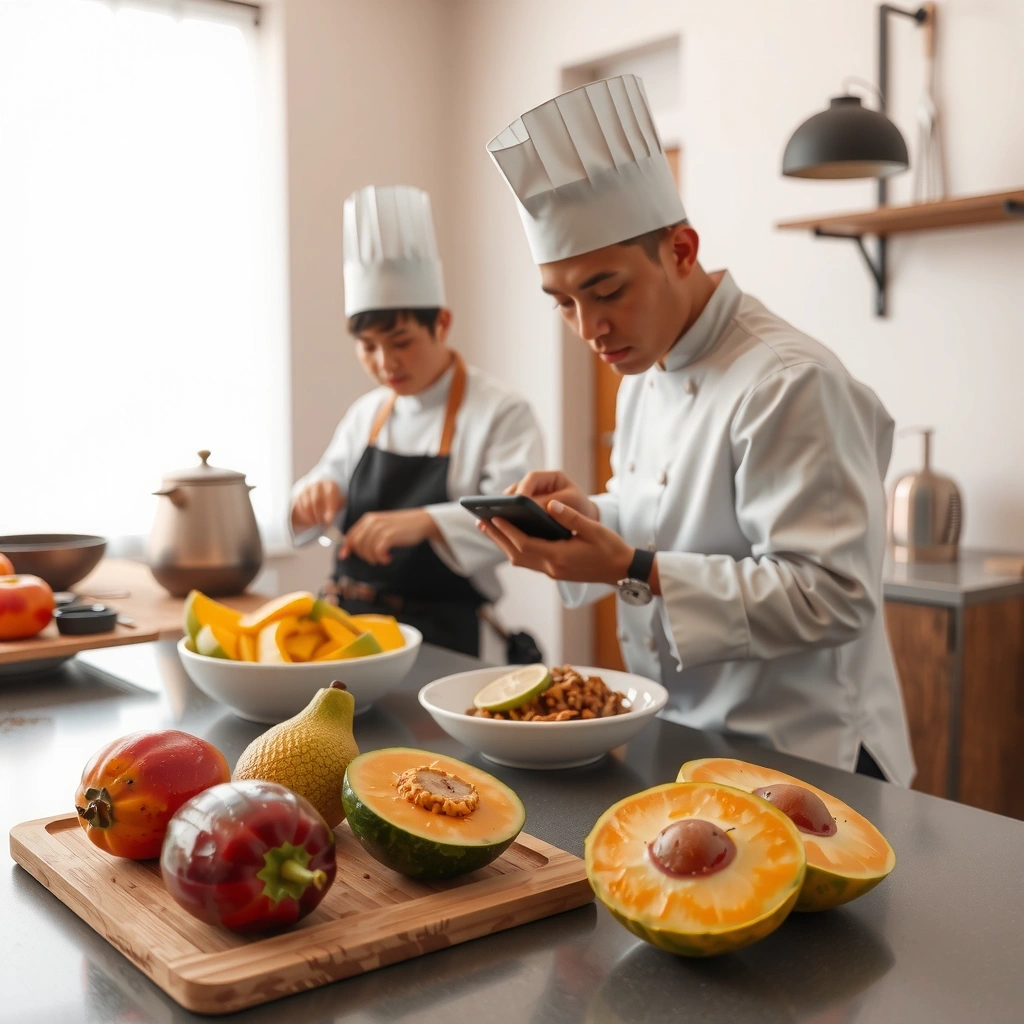
Contemporary chefs are rediscovering traditional fruit preparations, incorporating ancient wisdom into modern fusion cuisine and health-conscious dining.
Contact & Further Information
Have questions about Indonesian fruits or need more detailed nutritional information? We're here to help you make the most of your tropical fruit journey.
Get in Touch
Our Office
124 High Street, Camden Town
London NW1 0JH, United Kingdom
Phone
Business Hours
Monday - Friday: 9:00 - 17:00
Saturday: 10:00 - 16:00
Quick Actions
Need Help Finding Specific Fruits?
Our team can help you locate specialty Indonesian fruits in local markets or suggest the best alternatives.
Request InformationStay Connected with Veganindolife
Follow our journey in promoting Indonesian produce and healthy living. Get updates on seasonal fruits, nutritional tips, and cultural insights.